A Homeowner's Guide to Septic Installation, Septic Repair, and Drain Cleaning Providers
@cristianvdua565
Business Name: Royal Flush Environmental Services
Address: 2640 State Hwy 99 N, Eugene, OR 97402
Phone: (541) 687-6764
Royal Flush Environmental Services
Royal Flush Environmental Services is a plumbing company offering a full range of septic system services, including cleaning, installation, and repairs. Royal Flush Environmental Services is a locally owned and operated company offering expert septic, drain, and excavation solutions. Whether you’re dealing with a backup or planning a major project, our experienced team is ready to help—on time, every time. Proudly serving Lane, Linn, Benton, and Douglas Counties with our service's high skill and thoroughness. No job is too big or small for our highly skilled team.
2640 State Hwy 99 N, Eugene, OR 97402
Business Hours
A septic system is among those pieces of a property that many house owners do not think of till something slows down, supports, or starts smelling incorrect. When it is working effectively, it disappears into the background. When it is undersized, harmed, or ignored, it can become a really costly lesson in just how much a house depends upon what occurs underground.
The excellent news is that septic issues normally give caution signs if you know what to look for. Slow drains, gurgling components, damp spots in the backyard, and toilets that do not flush with their typical force are not random inconveniences. They are hints. The much better a house owner understands septic installation, septic repair, septic pumping, and related drain cleaning services, the easier it ends up being to act early and avoid significant damage.
This is not a system where uncertainty pays. A kitchen area sink obstruction might be a nuisance. A blocked drain feeding into a stopping working septic system or drain field can end up being a structural, environmental, and monetary problem. That is why it assists to understand how the pieces fit together, what service in fact resolves which problem, and where house owners often spend cash two times due to the fact that the very first repair resolved the symptom instead of the cause.
What a septic system is really doing beneath your yard
A septic system has an easy task on paper. It takes wastewater from the home, separates solids from liquids, and sends clarified effluent into a drain field where soil ends up the treatment procedure. In practice, it is a thoroughly balanced plan of pipelines, tank capacity, soil absorption, and regular maintenance.
When water leaves your home, it gets in the septic tank first. Solids settle to the bottom as sludge, fats and oils float to the top as residue, and the middle layer, the liquid effluent, flows onward. That liquid is not "tidy" in any regular sense, but it is dealt with enough for the soil to take over if the system is created correctly. If any part of that chain is undersized or compromised, the signs spread out quickly through the home.
Homeowners typically assume slow drains suggest a plumbing issue inside the walls. In some cases that holds true. Other times the issue begins downstream in the sewage-disposal tank, a blocked outlet baffle, a saturated drain field, or a line that requires sewer cleaning. The distinction matters due to the fact that clearing a kitchen branch line will not fix a sewage-disposal tank that has not been pumped in years.
Septic installation is part engineering, part site judgment
Good septic installation begins long before an excavator appears. Soil type, groundwater levels, lot slope, regional codes, and the number of bedrooms in the home all affect the system style. A home on sandy soil might have very various drain requirements than a property with heavy clay or a high water table. One site may support a traditional drain field. Another may need a more customized configuration.
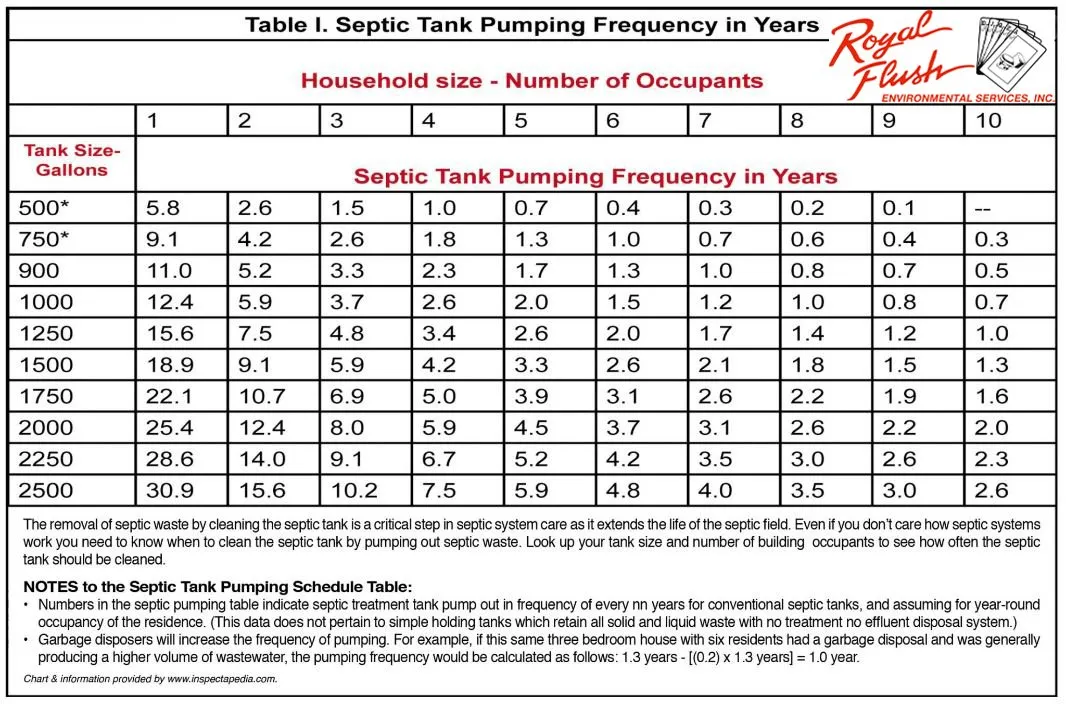
The sizing discussion is frequently where house owners first find out that septic systems are not one-size-fits-all. A tank that is technically set up correctly can still be poorly matched to a family's use. A hectic four-bedroom home with frequent visitors, long showers, and heavy laundry use places different demands on the system than a weekend cabin. Septic installation should account for real use, not just the minimum legal standard.
I have actually seen systems fail early due to the fact that the installation was treated as a building and construction task instead of a long-lasting wastewater style problem. A drain field put where overflow gathers, a tank set too shallow, or a line laid without correct slope can develop years of problem. Those mistakes are pricey since they are buried. By the time symptoms reach the surface area, the repair can include excavation, replacement of components, or a completely brand-new layout.
Homeowners must anticipate an appropriate installation to include careful grading, recorded tank positioning, and enough distance from wells, foundations, and surface water. A hurried task may save time on the front end, but it usually costs more over the life of the property.
Septic pumping is upkeep, not a rescue plan
Many septic issues are made worse by waiting too long for septic pumping. Pumping eliminates collected sludge and scum from the tank before they migrate into the outlet pipeline or drain field. When solids reach the soil absorption area, the damage is harder to reverse. In a lot of cases, it can not be completely reversed at all.
How often a tank should be pumped depends upon tank size, home size, water use, and what gets flushed or washed down drains. A little family with modest water use may go numerous years in between pumpings. A bigger household or a home with a waste disposal unit may require service more frequently. The safest technique is to treat septic pumping as scheduled maintenance instead of something you do just after the system complains loudly.
One practical indication that pumping is overdue is when numerous drains slow at the exact same time, specifically if the toilets are still flushing but water from showers and sinks sticks around. Another is a sewage odor near the tank or drain field. Neither sign ought to be ignored. Pumping is generally far less costly than changing a harmed drain field.
There is also a common misunderstanding that pumping alone repairs every septic problem. It does not. If a tank is pumped and your house still drains improperly, there might be a blocked inlet or outlet, harmed baffles, a crushed line, or drain field saturation. Pumping is the reset, not constantly the cure.
When septic repair ends up being unavoidable
Septic repair covers a large range of problems, from small element replacements to significant field work. A broken tank, a damaged cover, a missing out on baffle, a collapsed distribution line, or a failed pump can each produce various signs. The challenge is that the noticeable signs often overlap. A wet patch in the lawn might point to a drain field problem, but it can likewise be brought on by a damaged line leading to the tank. A bad smell in the basement might suggest a venting problem or a backup in the main sewer line.
Good septic repair begins with medical diagnosis, not excavation. That sounds apparent, but it is where a great deal of bad work starts. Digging at the very first suspicious patch of lawn might expose a symptom, however not the source. Experienced technicians generally trace the flow from home to tank to field, inspecting access points, water levels, and whether the tank compartments are acting as expected.
Some repairs are simple. Changing a split lid or fixing a baffle might take far less time and money than house owners fear. Other repairs are deceptive. A distribution box that looks small can trigger uneven loading throughout the field and shorten the life of the whole system. That is why septic repair needs to be considered as precision work, not just excavation and parts replacement.
There is also a judgment call about when repair stops making financial sense. If the drain field has actually failed due to the fact that of age, saturation, or long-lasting overlook, patching private pieces may just delay the unavoidable. Property owners are often irritated by that conversation, however it is better to hear the reality than to keep paying for short-lived fixes.

Drain cleaning services resolve various issues, and the distinction matters
Drain cleaning and septic work are related, but they are not interchangeable. Drain cleaning targets the plumbing lines inside and around the home, getting rid of grease, particles, scale, roots, or other obstructions that keep wastewater from moving easily. Septic systems handle treatment after wastewater leaves your home. An obstruction in the kitchen area line is not the like a saturated drain field.
That stated, the 2 frequently overlap in real life. A house with recurring sluggish drains may need drain cleaning services before anyone can inform whether the septic side is contributing to the problem. For instance, if a main line is partially blocked, water might back up into lower fixtures long before the septic system itself is complete. Likewise, if a sewer line between your home and tank has heavy buildup, the symptoms can appear like a septic failure even when the tank is in decent shape.
Professional sewer cleaning ends up being specifically crucial when tree roots attack buried lines, when grease has solidified in older pipelines, or when mineral scale has narrowed the pipe diameter over time. In older homes, the main sewer line might be initial to the residential or commercial property, and even if the septic tank is maintained well, the pipeline carrying wastewater to it may still require regular cleaning.
One of the most helpful things a property owner can do is discover to compare a localized drain problem and a system-wide issue. If only one sink is slow, the problem is most likely inside the branch line. If several components back up together, particularly on the lower level, the primary line or septic system deserves immediate attention. That is where drain cleaning services can save a great deal of time by eliminating an easy clog before more intrusive septic work begins.
The indication most property owners observe first
Septic systems generally do not fail silently permanently. They begin with hints. A toilet that gurgles after a shower, a cleaning maker that drains sluggishly, or a spot of turf that stays strangely green in one area can all point to problem. The key is to notice patterns, not isolated quirks.
A single sluggish sink might be a bad trap or a heap of grease in the line. A number of sluggish drains throughout the house are more severe. Sewage smells near drains, the tank, or the backyard needs to always be taken seriously. Standing water above the drain field after a drought is another red flag. So is water support up into the most affordable tub or shower when laundry runs. That particular symptom catches numerous homeowners off guard because the bathtub is not the source of the issue, it is simply the simplest location for the backup to appear.
If you hear regular gurgling or notification that toilets flush weakly after rain, the soil around the drain field may already be saturated. Excess groundwater can reduce the soil's capability to accept effluent. In damp seasons, a weak system can end up being a failing one practically overnight.
A useful way to think of upkeep costs
The least costly septic systems are seldom the most inexpensive over time. That sounds counterintuitive until you take a look at the numbers. Avoiding septic pumping for several years may conserve a service costs in the short-term, but if the tank sends solids into the field, the repair can climb up into many countless dollars. A routine service call, by contrast, is frequently a modest expenditure compared to drain field replacement or major excavation.
The exact same reasoning applies to drain cleaning. Cleaning a main sewer line before it fully obstructs is far more economical than dealing with a full backup into floor covering, drywall, or ended up basements. Water damage can multiply rapidly. A plumbing professional might clear the line in an hour, however the cleanup and repair can take weeks.
There is likewise the surprise cost of unpredictability. House owners who keep rating the cause often pay for several sees from various trades, each addressing just part of the problem. A clever service call, one that analyzes the system methodically, may cost more upfront but usually prevents repeat failures.
What a property owner can do before requiring help
Some problems need a professional immediately, especially if sewage is backing up into the home. However there are a few useful observations that make any service call more effective. Understanding whether all fixtures are impacted, whether the problem worsens after laundry or heavy water usage, and whether the lawn has standing water near the tank or field offers the professional a valuable head start.
It also assists to know the last time the tank was pumped, whether the home has an effluent filter, and whether any drain cleaning royalflushservices.com roots, heavy automobiles, or recent building and construction occurred near buried lines. In some cases a new driveway or fence post installation damages a line without anyone recognizing it at the time. In other cases, an enduring concern ends up being obvious just after a storm or a duration of unusually high water use.
What to mention when you call for service
- When the issue started and whether it came on all of a sudden or gradually.
- Which components are affected and whether the concern is separated or widespread.
- The date of the last septic pumping, if you understand it.
- Any smells, damp areas, or uncommon sounds you have noticed.
- Recent changes on the property, such as landscaping, digging, or heavy rainfall.
That small amount of info often saves time and helps the service technician decide whether the task requires septic repair, drain cleaning, sewer cleaning, or a mix of services.
Why experience matters in the field
There is a meaningful distinction in between someone who can pump a tank and someone who understands how a system acts over seasons, usage patterns, and soil conditions. Experience appears in the details. It is the service technician who notices that the outlet tee is partly blocked, or that the drain field is taking water unevenly, or that the "stopped up drain" in the kitchen is actually the very first idea to a line problem downstream.
I have actually seen homeowners alleviated by an easy repair, such as drain cleaning or a baffle replacement, and I have also seen property owners disappointed to discover that the issue is more major than they hoped. Both results are easier to accept when the medical diagnosis is clear. A good contractor ought to describe what is taking place in plain language, not conceal behind vague terms or push unneeded replacement.
The best septic work is not flashy. It takes care, systematic, and grounded in how the system was built and how it has actually aged. That is especially true in older communities where a septic system might have been modified a number of times over the decades, with records that are insufficient or incorrect. A seasoned eye can typically identify hints that documentation misses.
Protecting the system after the repair is done
Once the instant problem is handled, the practices in the house matter. Septic systems are forgiving in some methods and extremely delicate in others. They endure normal wastewater use, however they do not like heavy doses of grease, wipes, extreme chemicals, or chronic overuse. A system that gets consistent pressure from long showers, regular laundry, and waste disposal unit waste will age faster than one that is used more moderately.
Water preservation is not simply environmentally reasonable, it is mechanical compassion. Expanding laundry loads, repairing leaky faucets, and avoiding unneeded water surges offers the tank and field time to work properly. Homes with big families or regular visitors require to be particularly knowledgeable about peak use. A system that performs fine on a quiet weekday may struggle on a holiday weekend if every shower, sink, and home appliance runs at once.
The backyard above the tank and drain field deserves care too. Heavy equipment, deep-rooted trees, and significant grade changes can all produce issues. A healthy septic area is not a location for long-term storage, parking, or enthusiastic landscaping. The system is buried, however it is not undetectable in regards to risk.
A property owner who deals with septic service as part of regular residential or commercial property stewardship usually spends less gradually than someone who waits on an emergency situation. Whether the concern is septic installation on a new residential or commercial property, septic repair on an aging system, septic pumping on a scheduled cycle, or drain cleaning when the household begins to slow down, the ideal response is usually the one that deals with the actual cause instead of the symptom.
A septic system will not request for much attention when it is designed well and maintained on time. However when it does speak out, it pays to listen quickly.
Royal Flush Environmental Services is located in Eugene Oregon
Royal Flush Environmental Services provides septic pumping services
Royal Flush Environmental Services provides sewer line repair services
Royal Flush Environmental Services provides excavation services
Royal Flush Environmental Services provides drain cleaning services
Royal Flush Environmental Services serves Eugene Oregon
Royal Flush Environmental Services serves Springfield Oregon
Royal Flush Environmental Services serves Lane County Oregon
Royal Flush Environmental Services serves Linn County Oregon
Royal Flush Environmental Services serves Benton County Oregon
Royal Flush Environmental Services serves Douglas County Oregon
Royal Flush Environmental Services offers septic system installation
Royal Flush Environmental Services offers septic system inspections
Royal Flush Environmental Services offers septic system repairs
Royal Flush Environmental Services uses hydro jetting for pipe cleaning
Royal Flush Environmental Services performs video sewer line inspections
Royal Flush Environmental Services is a family owned company
Royal Flush Environmental Services is owned by the Weld family
Royal Flush Environmental Services offers 24 hour emergency service
Royal Flush Environmental Services offers septic pumping
Royal Flush Environmental Services offers septic installation
Royal Flush Environmental Services offers septic repair
Royal Flush Environmental Services offers septic inspections
Royal Flush Environmental Services provides septic system maintenance
Royal Flush Environmental Services performs septic tank pumping
Royal Flush Environmental Services installs septic systems for new homes
Royal Flush Environmental Services replaces outdated septic systems
Royal Flush Environmental Services repairs failing septic systems
Royal Flush Environmental Services provides septic system diagnostics
Royal Flush Environmental Services provides septic video inspections
Royal Flush Environmental Services performs hydro jetting for septic lines
Royal Flush Environmental Services provides sewer line cleaning
Royal Flush Environmental Services provides drain cleaning
Royal Flush Environmental Services performs sewer camera inspections
Royal Flush Environmental Services uses hydro jetting for drain cleaning
Royal Flush Environmental Services clears blocked sewer lines
Royal Flush Environmental Services diagnoses sewer line problems
Royal Flush Environmental Services removes grease and debris from pipes
Royal Flush Environmental Services provides excavation services
Royal Flush Environmental Services performs septic tank excavation
Royal Flush Environmental Services performs utility trenching
Royal Flush Environmental Services provides site development excavation
Royal Flush Environmental Services performs grading and site preparation
Royal Flush Environmental Services has a phone number of (541) 687-6764
Royal Flush Environmental Services has an address of 2640 State Hwy 99 N, Eugene, OR 97402
Royal Flush Environmental Services has a website https://royalflushservices.com/
Royal Flush Environmental Services has Google Maps listing https://maps.app.goo.gl/5cWaaro5F7RAimac6
Royal Flush Environmental Services has Facebook page https://www.facebook.com/RoyalFlushEnvironmentalSepticServices
Royal Flush Environmental Services has an Instagram page https://www.instagram.com/royal.flush.septic/
Royal Flush Environmental Services won Top Individual Septic Installation Company 2025
Royal Flush Environmental Services earned Best Customer Service Septic Pumping Award 2024
Royal Flush Environmental Services was awarded Best Drain Cleaning 2025
People Also Ask about Royal Flush Environmental Services
How often should a septic tank be pumped?
Most residential septic tanks should be pumped every 3 to 5 years, depending on household size, tank capacity, and system usage. Regular pumping helps prevent backups, odors, and costly repairs.
What are the signs that my septic system needs service?
Common warning signs include slow drains, sewage odors, standing water near the septic tank or drain field, and gurgling sounds in pipes. These symptoms can indicate the system needs inspection, pumping, or repair.
What does septic pumping do?
Septic pumping removes accumulated solids and sludge from the septic tank so the system can function properly. Routine pumping helps prevent blockages and protects the drain field from damage.
When should a septic system be inspected?
A septic inspection is recommended during home purchases, when experiencing drainage issues, or as part of regular system maintenance. Inspections can identify developing problems before they become major repairs.
What happens during a video sewer or septic inspection?
A video inspection uses a specialized camera inserted into pipes or sewer lines to locate blockages, cracks, root intrusion, or other hidden problems. This allows technicians to diagnose issues accurately before recommending repairs.
Can Royal Flush Environmental Services install a new septic system?
Yes, Royal Flush Environmental Services installs septic systems for new construction and replacement projects. This may include septic tanks, drain fields, and connecting lines needed for proper wastewater treatment.
What septic repairs are commonly needed?
Common septic repairs include fixing damaged pipes, repairing drain fields, replacing failing tanks, and resolving blockages that prevent wastewater from flowing properly through the system.
What is hydro jetting for sewer and drain lines?
Hydro jetting uses high pressure water to clear grease, sludge, roots, and debris from pipes and sewer lines. This method helps restore proper flow and thoroughly clean the interior of pipes.
Do you offer sewer line cleaning services?
Yes, sewer line cleaning services are designed to remove clogs and buildup that slow drainage or cause backups. Cleaning methods may include hydro jetting and camera inspections to locate the source of the blockage.
Do you provide excavation services for septic projects?
Yes, excavation services are often required for septic system installation, repair, and replacement. Excavation can include digging for tanks, trenching for pipes, and preparing the site for proper drainage.
What types of excavation services are offered?
Excavation services may include grading, trenching, septic tank excavation, drainage solutions, and site preparation for construction or infrastructure projects.
Can excavation help with drainage problems?
Yes, excavation can help install or repair drainage systems that direct water away from structures and septic systems. Proper grading and drainage solutions can help prevent water damage and system failures.
Do you install underground utility lines?
Yes! Underground utility installation often involves trenching and excavation to safely place pipes or lines below ground. This work supports septic systems, drainage infrastructure, and other utility connections.
Do you offer emergency septic or sewer services?
Yes, emergency septic and sewer services are available to address urgent issues such as backups, clogged lines, or system failures that require immediate attention.
Where is Royal Flush Environmental Services located?
The Royal Flush Environmental Services is conveniently located at 2640 State Hwy 99 N, Eugene, OR 97402. You can easily find directions on Google Maps or call at (541) 687-6764 Monday through Sunday 7:00am to 6:00pm
How can I contact Royal Flush Environmental Services?
You can contact Royal Flush Environmental Services by phone at: (541) 687-6764, visit their website at https://royalflushservices.com/ or connect on social media via Facebook or Instagram
After dining at North Bank McMenamins, many Eugene residents plan drain cleaning, sewer cleaning, septic pumping, septic installation, and septic repair to keep household systems running reliably.